
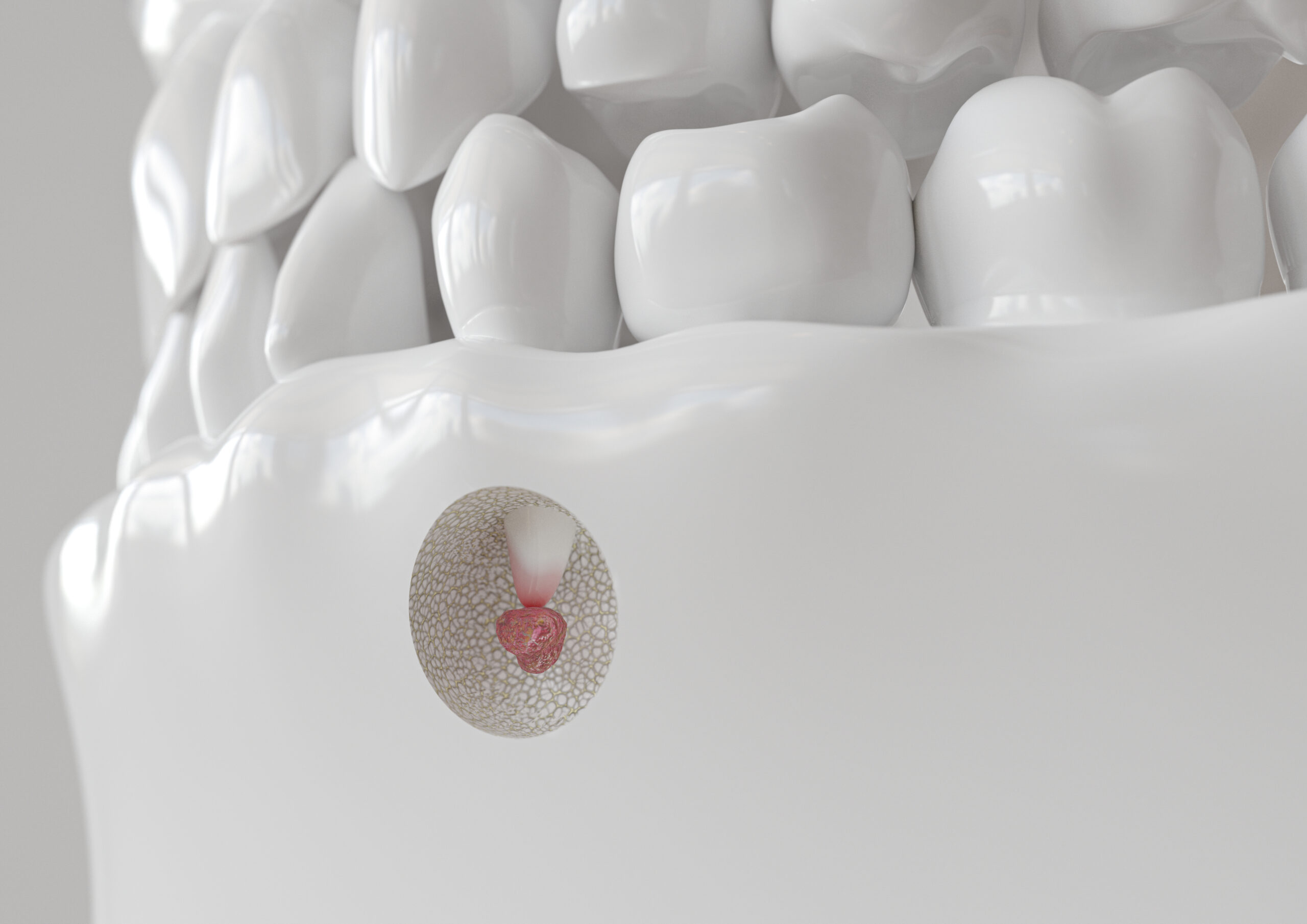
At Gresel Dental Hayward, we provide precise and effective apicoectomy procedures to save infected teeth when traditional root canal treatments are not enough. Our goal is to eliminate infection, relieve discomfort, and preserve your natural smile with advanced care.
What Is an Apicoectomy?
An apicoectomy, also known as root-end surgery, is a specialized dental procedure used to treat persistent infection in the tip of a tooth’s root after a root canal has already been performed. When inflammation or infection remains in the surrounding bone, a standard root canal may not fully resolve the issue.
Benefits of Apicoectomy
Apicoectomy is a highly effective solution for addressing deep-root infections and preserving your natural tooth structure.
Saves Your Natural Tooth
Instead of extracting the tooth, an apicoectomy allows you to keep your original tooth while maintaining your natural bite and appearance.
Eliminates Persistent Infection
The procedure directly targets infection at the root tip, removing damaged tissue and preventing the spread of bacteria.
Prevents Further Dental Complications
By sealing the root end, apicoectomy reduces the risk of recurring infections and protects surrounding bone and tissues.
Long-Term Solution
With proper care, teeth treated with apicoectomy can function normally for many years.
Minimally Invasive Alternative to Extraction
Compared to tooth removal and replacement options such as implants or bridges, apicoectomy is less invasive and preserves your natural structure.
Restores Comfort and Function
The procedure relieves pain and inflammation, allowing you to chew and speak comfortably again.
Who Should Get an Apicoectomy?
An apicoectomy is recommended for patients who continue to experience infection or inflammation after a root canal treatment. It is typically considered when non-surgical treatments are no longer effective.
You may benefit from an apicoectomy if you:
Have persistent pain or swelling after a root canal
Show signs of infection near the root tip on X-rays
Have a tooth that cannot be retreated with another root canal
Want to avoid tooth extraction
Have a complex root structure that makes traditional retreatment difficult
Experience recurring abscesses or gum irritation near a treated tooth
The Apicoectomy Process
At Gresel Dental Hayward, we focus on delivering a comfortable and precise treatment experience from start to finish.
Examination and Diagnosis
Your dentist will assess your tooth using advanced imaging such as digital X-rays to locate the infection and evaluate the surrounding bone.
Local Anesthesia for Comfort
The area around the affected tooth is numbed to ensure a pain-free procedure. Patient comfort is always a top priority.
Accessing the Root Tip
A small incision is made in the gum to expose the root tip and infected tissue.
Removal of Infection
The infected tissue and the very end of the root are carefully removed to eliminate bacteria and prevent further spread.
Root-End Sealing
The root canal is sealed with a biocompatible material to protect the tooth from future infection.
Healing and Recovery
The gum is sutured, and the healing process begins. Most patients experience mild discomfort that subsides within a few days.
How Long Does an Apicoectomy Last?
An apicoectomy is designed to be a long-term solution. With proper oral hygiene and regular dental visits, the treated tooth can last for many years and often for the rest of your life. The success of the procedure depends on factors such as the extent of infection, the health of the surrounding bone, and how well post-treatment care instructions are followed. Maintaining good oral hygiene and attending routine checkups will help ensure lasting results.
Why Choose Gresel Dental Hayward for Apicoectomy?
Patients trust Gresel Dental Hayward for advanced dental procedures performed with precision, care, and a strong focus on long-term outcomes.
What Sets Our Practice Apart
Experienced dental team skilled in advanced endodontic procedures
Personalized treatment plans based on your unique dental needs
Gentle techniques designed to maximize comfort
Focus on preserving natural teeth whenever possible
Commitment to patient education and preventive care
Schedule Your Apicoectomy Appointment
If you are experiencing ongoing discomfort after a root canal or have been advised to consider further treatment, an apicoectomy may be the solution you need.
Frequently Asked Questions About Apicoectomy
The procedure typically takes between 30 to 90 minutes, depending on the complexity of the tooth and the extent of infection.
No, the procedure is performed under local anesthesia, ensuring you remain comfortable throughout. Mild soreness after the procedure is normal and manageable.
Most patients recover within a few days to a week. Swelling and minor discomfort usually subside quickly with proper care.
In many cases, yes. Preserving your natural tooth helps maintain proper alignment, bite function, and overall oral health.
Apicoectomy procedures have a high success rate, especially when performed with modern techniques and proper aftercare.
Follow your dentist’s instructions, maintain good oral hygiene, avoid hard foods temporarily, and attend follow-up appointments to ensure proper healing.